
Rescue & Treatment
Every Rescue Begins with a Call
Every day, HHFSS responds to distress calls involving injured, abandoned, abused, and critically ill animals across Haridwar and nearby areas. Our rescue team works to ensure that animals receive timely medical attention, regardless of their condition.
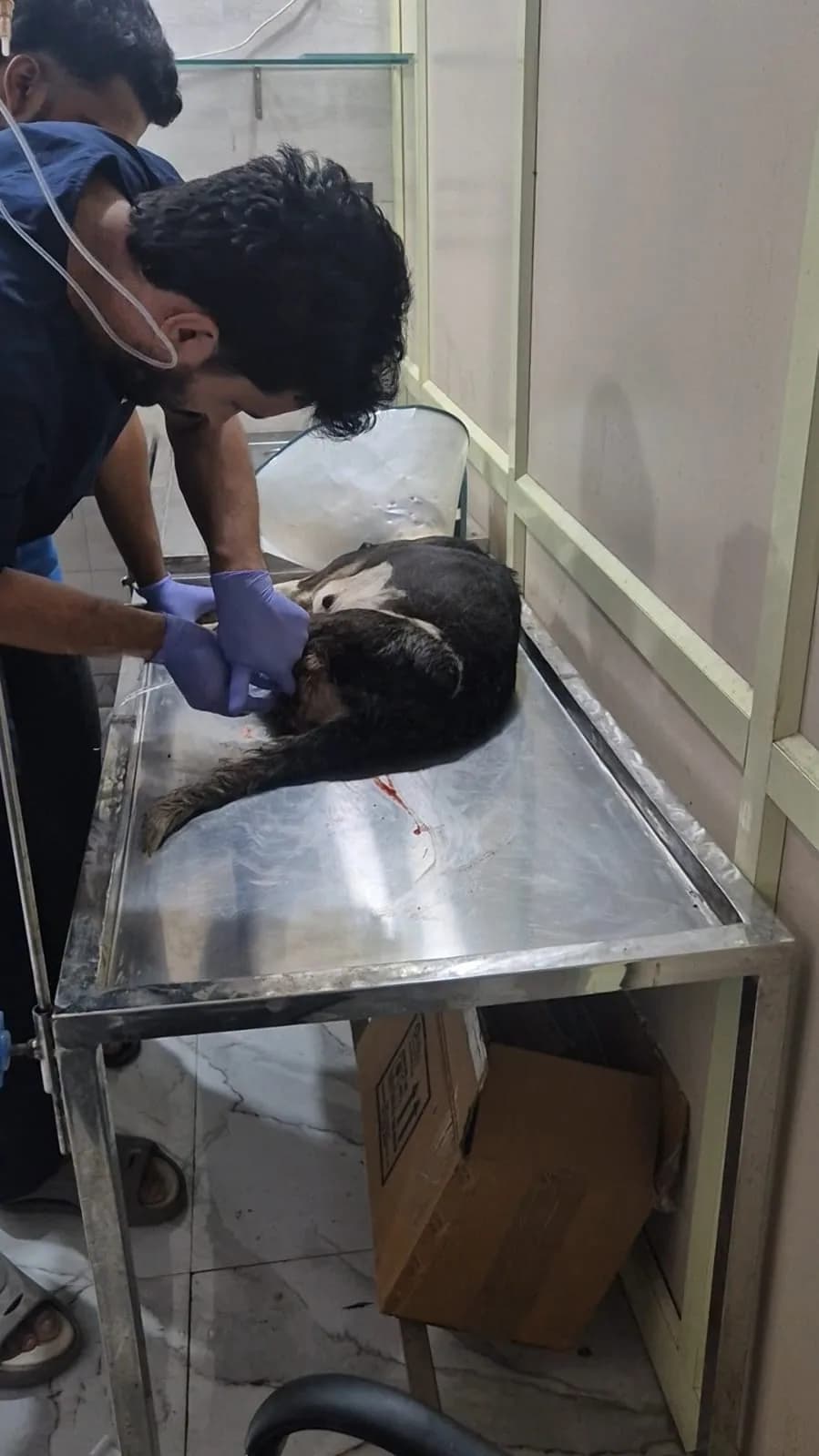
Our responsibility
Care begins the moment we reach them.
Many of the animals we rescue have suffered road accidents, severe infections, fractures, maggot wounds, tick-borne diseases, starvation, dehydration, or other life-threatening conditions.
Some are frightened and in pain, while others have been abandoned with no one left to care for them.
Our responsibility begins the moment we reach them.
From call to recovery
Our Rescue Process
Step 01
Emergency Response
We receive rescue requests from local residents, volunteers, animal lovers, and community members.
Depending on the urgency, our team coordinates transportation and reaches the location as quickly as possible.
Step 02
Medical Assessment
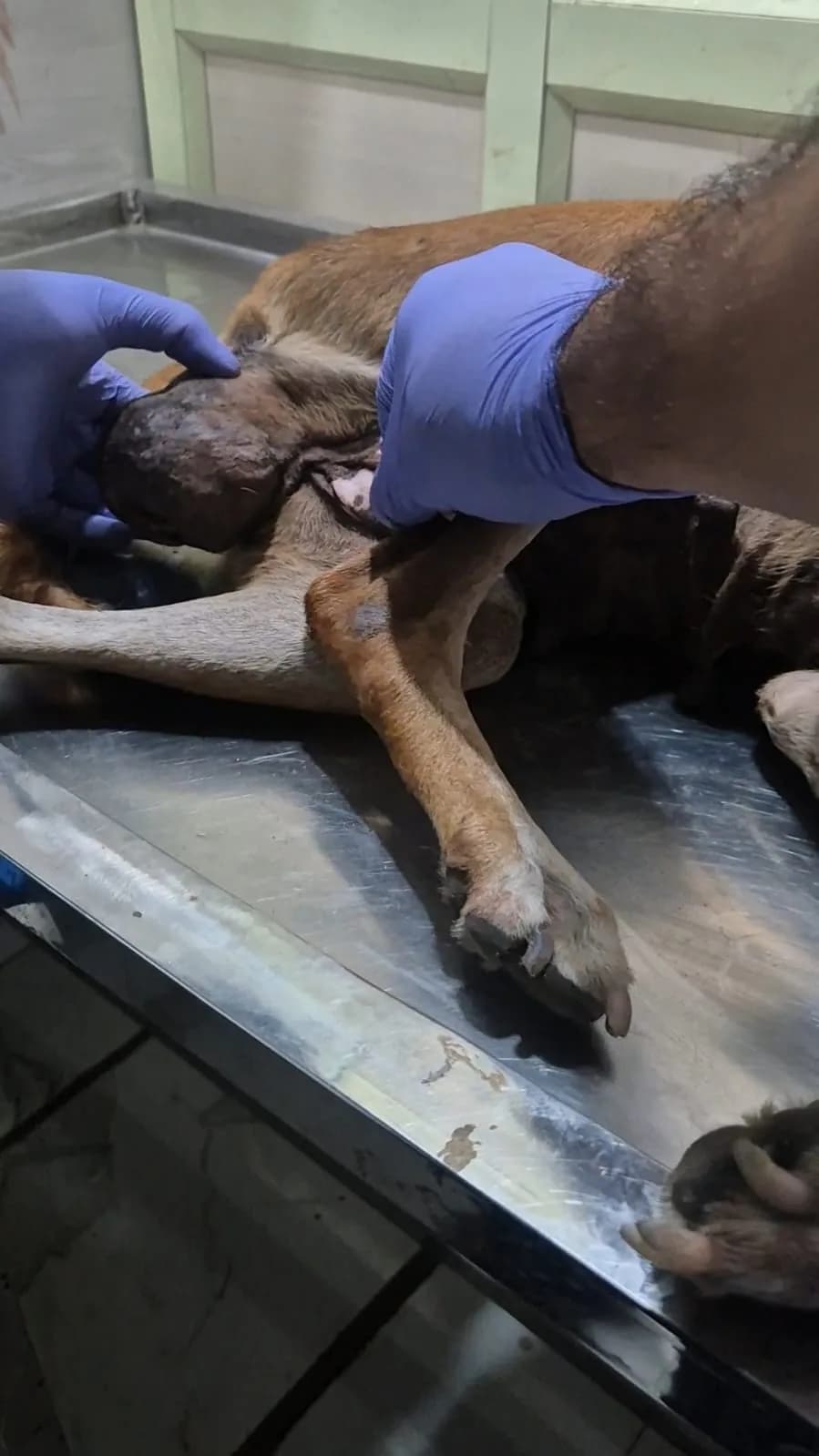
Every rescued animal undergoes an initial health assessment to determine the severity of injuries or illness.
This helps determine the immediate treatment plan and whether specialised veterinary care is required.
Step 03
Treatment
Treatment may include:
- First aid and wound management
- Tick and parasite treatment
- IV fluids and supportive care
- Medicines and antibiotics
- Fracture management
- Surgical intervention
- Pain management
- Vaccinations, including anti-rabies
- Nutritional rehabilitation
Step 04
Recovery Monitoring
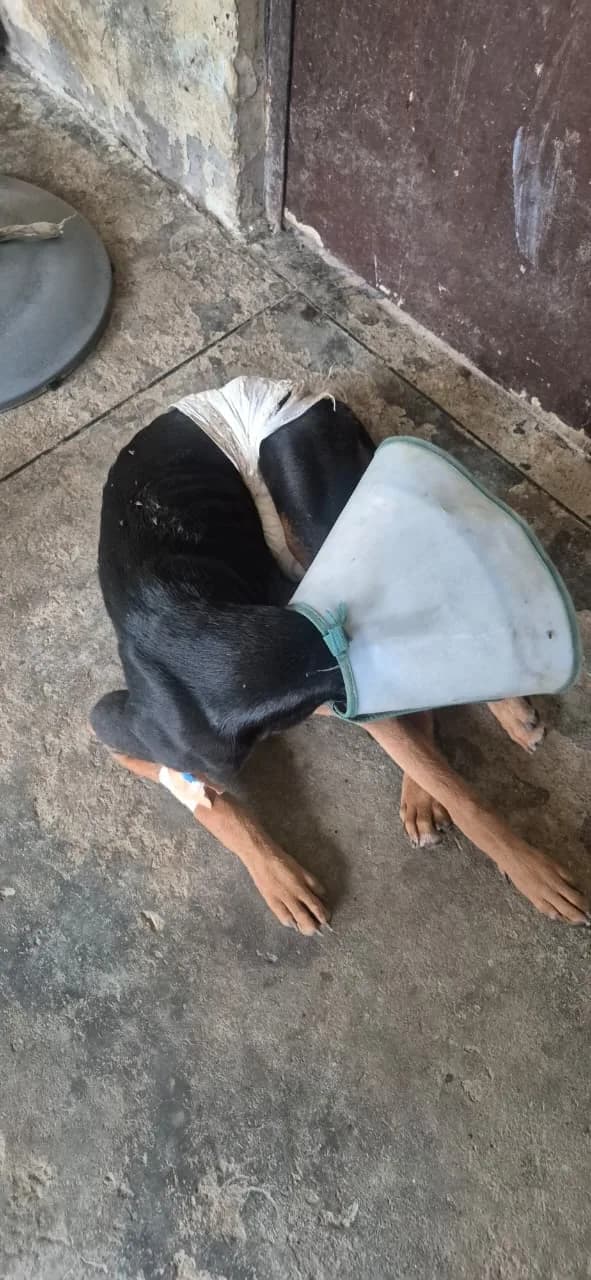
Recovery often takes days, weeks, or even months.
Our team monitors each animal's progress, adjusts care as needed, and provides daily support until the animal is healthy enough to return to the community or remain under long-term care when necessary.